
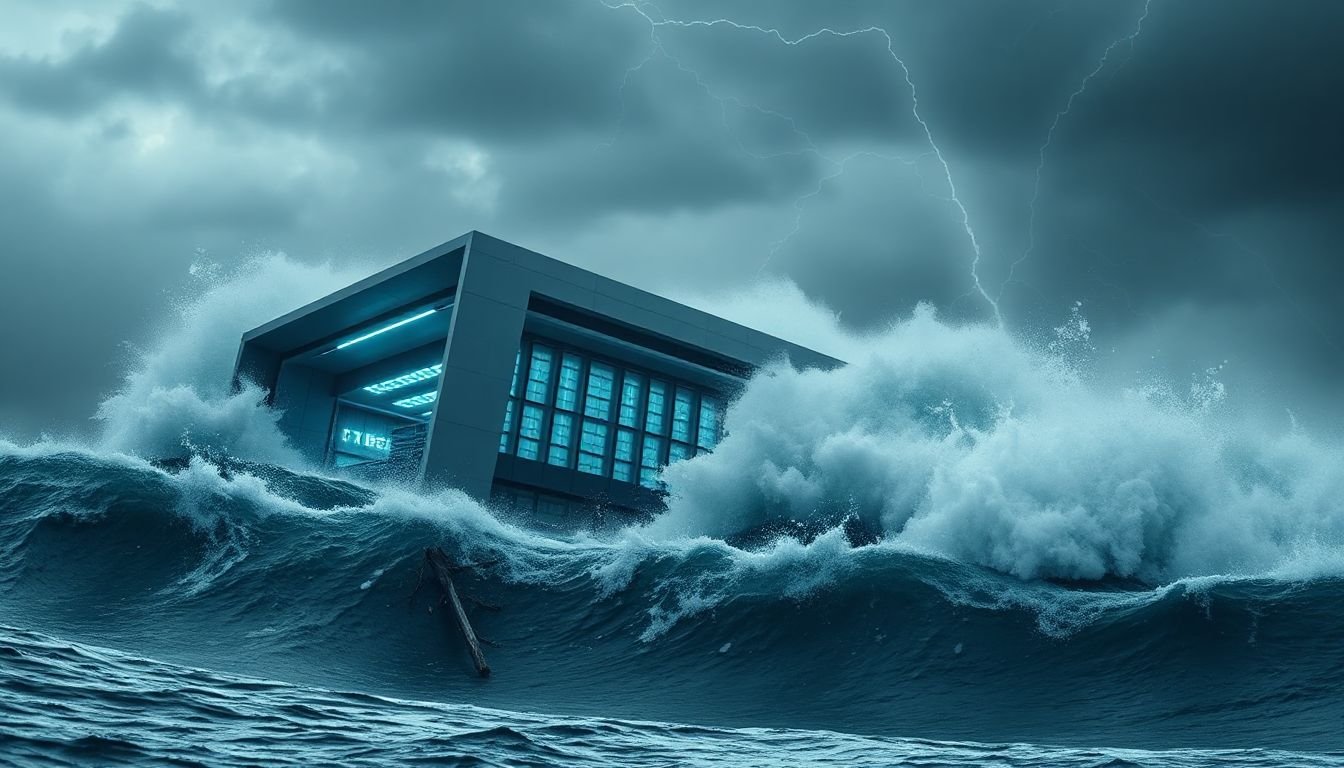
As cloud computing becomes the backbone of global business, the physical resilience of its infrastructure deserves closer scrutiny—especially in light of rising threats from natural disasters like coastal flooding and tsunamis. While most users think of the cloud as virtual, the reality is grounded in thousands of data centers with geographic footprints that can expose them to environmental hazards.
Are Cloud Data Centers at Risk from Coastal Events?
Generally speaking, hyperscale cloud providers (like AWS, Azure, and Google Cloud) strategically locate many of their facilities inland, often in areas with low seismic and flood risk. However, not all data centers fall under this umbrella. Smaller providers, colocation centers, and regional enterprise facilities may be located near coastlines due to cheaper land, better connectivity, or proximity to users.
Key risk factors include:
- Low-lying coastal zones prone to storm surges
- Seismically active regions with tsunami potential
- Urban coastal infrastructure that may funnel or amplify flooding
While high-profile cloud providers tend to be risk-averse with siting decisions, not all regions are equally protected. For instance, Hong Kong, Singapore, and Tokyo—all major cloud markets—sit in tsunami-vulnerable zones.
Protective Measures Already in Place
Leading providers employ multi-tier strategies to mitigate risk:
- Geodiversity and Redundancy: Cloud architectures often distribute workloads across multiple regions and availability zones. If one data center fails, traffic is automatically rerouted.
- Elevation and Flood Barriers: Facilities in risk-prone zones are built above historical flood levels, often with waterproof vaults and sealed power systems.
- Seismic and Hydrodynamic Engineering: Tsunami-resistant construction includes deeper foundations, water-resistant cooling systems, and reinforced server racks.
- Disaster Recovery Protocols: Continuous replication, backup systems, and hot failover sites ensure uptime even in catastrophic scenarios.
What More Can Be Done?
As climate change allegedly increases the frequency and severity of coastal events, ongoing adaptation is critical. Emerging innovations include:
- AI-based early warning systems tied to automated workload migration
- Floating data centers, like those proposed off the coasts of California and Japan, which aim to harness seawater cooling while staying mobile
- Regional zoning reform, encouraging cloud providers to develop inland or elevated data corridors
Should Businesses Be Concerned?
If you’re leveraging major cloud platforms, odds are your data is well protected. But organizations with on-prem or hybrid setups—especially in coastal cities—should conduct detailed environmental risk assessments. Ask your provider about:
- Data center elevation and flood history
- Backup and recovery timelines
- Geographic redundancy and latency
In an age where milliseconds matter and downtime can cost millions, physical resilience is not optional. The cloud may be virtual, but protecting it starts with understanding the ground beneath it.